The Dual Infrastructure: Decentralized Power and Open Social Networks
From Base Power's billion-dollar push for home batteries to SpaceX's massive Louisiana land grab, the tech sector is redefining physical infrastructure. Meanwhile, Bluesky's new CEO champions a 'big tent' social model, proving that the future of digital and energy grids relies on decentralization and open standards.
The Convergence of Physical and Digital Grids
In the rapidly evolving landscape of 2026, a distinct parallel has emerged between the energy sector and the social media ecosystem: both are undergoing a fundamental shift from centralized monoliths to decentralized, resilient networks. While one battles the volatility of climate change and the other fights algorithmic echo chambers, the underlying strategy is identical—distributing power to the edges of the network.
The energy sector is witnessing a paradigm shift led by startups like Base Power. In a move that underscores the urgency of grid modernization, Base Power recently secured a massive $1 billion funding round. This capital injection is not merely for survival; it is a strategic mandate to ramp up production of backyard batteries. The logic is clear: the traditional grid, reliant on massive, aging power plants, is becoming too fragile to withstand extreme weather events and fluctuating demand. By empowering homeowners to store and manage their own energy, Base Power is effectively turning every residence into a micro-node in a vast, distributed energy grid.
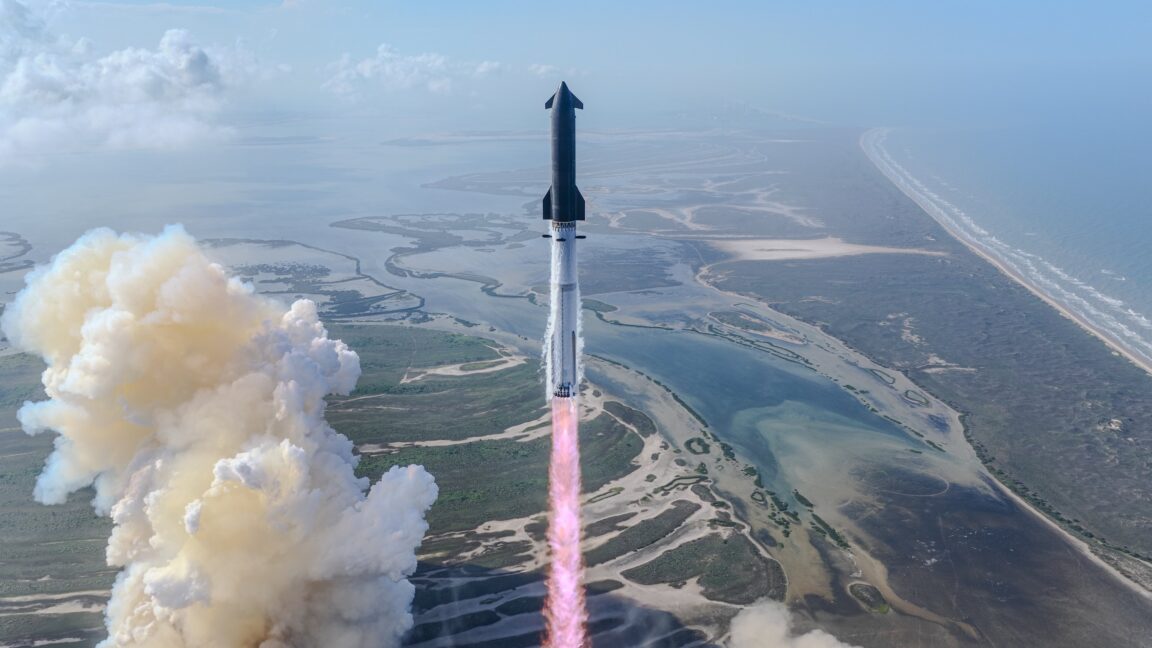
Simultaneously, the physical infrastructure of space exploration is being reimagined with similar scale and ambition. SpaceX is set to acquire 130,000 acres of marshland in southern Louisiana, a move that signals a shift in launch logistics. Unlike the constrained coastal sites of the past, this vast, remote expanse offers significant advantages for high-frequency launches and rapid payload recovery. It represents a bold investment in the physical backbone of the next generation of connectivity, ensuring that the infrastructure supporting our digital lives is built on a foundation of redundancy and geographic diversity.
The "Big Tent" Philosophy in Social Media
While energy giants are building batteries and rockets, the digital infrastructure of human communication is facing its own reckoning. The social media landscape has long been dominated by walled gardens where algorithms prioritize engagement over truth, often creating isolating echo chambers. However, a new leadership philosophy is emerging, championed by Toni Schneider, the newly appointed CEO of Bluesky.
In a pivotal interview with The Verge, Schneider outlined his vision for the platform: a "big tent, not a bubble." This philosophy stands in stark contrast to the siloed nature of legacy platforms like X or Facebook. Schneider's approach leverages the AT Protocol to create an open, interoperable network where users can choose their own moderation settings and community rules without losing the ability to communicate across the broader ecosystem. This is not just a product feature; it is a structural revolution in how we conceptualize social infrastructure.
"We want a platform that grows with the user, not one that traps them in a bubble of confirmation bias," Schneider noted, emphasizing the need for a resilient, open architecture.
The implications of this "big tent" approach are profound. By decoupling the social graph from the hosting infrastructure, Bluesky is mirroring the energy sector's move toward distributed generation. Just as a home battery allows a user to remain powered during a grid failure, an open social protocol allows a user to remain connected even if a specific platform fails or changes its policies. Both strategies prioritize user agency and systemic resilience over centralized control.
Strategic Synthesis: Why Decentralization Wins
The convergence of these three developments—Base Power's battery scaling, SpaceX's Louisiana expansion, and Bluesky's open protocol—reveals a critical insight for tech leadership in 2026: Centralization is a single point of failure.
In the energy sector, the reliance on a few massive power plants has proven risky. Base Power's $1 billion bet acknowledges that the future grid must be a mesh network of millions of small, intelligent devices. Similarly, in social media, the reliance on a few tech giants to curate global discourse has led to polarization and censorship concerns. Schneider's "big tent" model argues that the health of the internet depends on a federation of communities, not a monolithic authority.
SpaceX's land acquisition in Louisiana serves as the physical anchor for this digital and energy revolution. The ability to launch satellites and deploy infrastructure at scale requires vast, flexible physical real estate. The marshland acquisition is not just about real estate; it is about creating a launchpad for the infrastructure that will support both the energy grid (via satellite monitoring) and the digital grid (via low-latency connectivity).
The Future of Resilient Infrastructure
As we look toward the next decade, the definition of "infrastructure" will expand beyond concrete and steel. It will encompass the social protocols that govern our interactions and the energy networks that power our devices. The leaders driving these changes understand that resilience is not built through scale alone, but through distribution.
For investors and policymakers, the lesson is clear: the most valuable assets of the future will not be the largest servers or the biggest power plants, but the most open, flexible, and decentralized systems. Whether it is a battery in a backyard in California or a server node in the decentralized Bluesky network, the unit of value is shifting to the edge.
The synergy between these sectors is undeniable. A resilient energy grid ensures that our digital networks remain online during crises. A resilient digital network ensures that we can coordinate and manage energy distribution efficiently. And a physical infrastructure like SpaceX's Louisiana site ensures that the hardware to support both can be deployed rapidly and globally.
In conclusion, the story of 2026 is one of re-distribution. We are moving away from the era of the central authority and toward an era of networked autonomy. Whether in the grid or the cloud, the future belongs to those who can build systems that are robust enough to survive failure and open enough to include everyone. The "big tent" and the "backyard battery" are not just trends; they are the foundational pillars of a new, more resilient technological civilization.
Conclusion
The path forward requires a synthesis of physical ambition and digital openness. As Base Power scales its production, SpaceX secures its launch grounds, and Bluesky opens its doors, we are witnessing the birth of a new infrastructure paradigm. One that is distributed, resilient, and fundamentally human-centric. The question for leaders is no longer how to build the biggest platform, but how to build the most resilient network.