The Efficiency Paradox: Why Data-Hungry Robotaxis Struggle to Clear Traffic Amid New Regulations
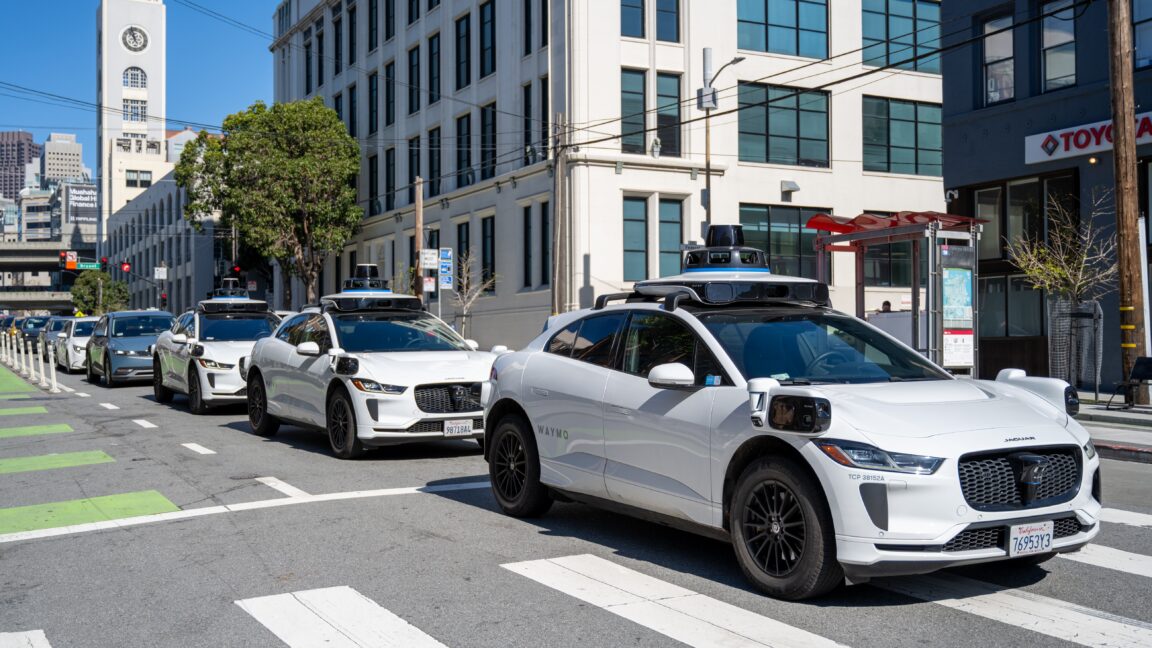
As Uber deploys hundreds of data-collection vehicles and the EU mandates repairable hardware, a new study reveals a startling truth: autonomous vehicles may be empty half the time, failing to solve the very traffic problems they promised to cure.
The Promise and the Reality Gap
The narrative surrounding autonomous vehicles (AVs) has long been seductive: a future where cars communicate seamlessly, traffic flows without interruption, and human error is eliminated. However, as we move deeper into the mid-2020s, the gap between this utopian vision and operational reality is widening. While companies like Uber are aggressively expanding their data collection fleets to refine algorithms, new evidence suggests that the mere presence of robotaxis may not be the silver bullet for urban congestion.
The core of the issue lies in the fundamental efficiency of how these vehicles operate. A recent study published by Ars Technica challenges the prevailing assumption that AVs will inherently reduce traffic volume. The data is stark: Waymo's robotaxis, often cited as the gold standard for safety and reliability, were found to be driving empty for nearly half of the miles they traverse. This phenomenon, known as "deadheading," occurs when vehicles reposition themselves to pick up the next passenger or return to charging stations without carrying a fare-paying rider.
The Data Arms Race
To combat inefficiency and improve safety, the industry is doubling down on data. In a significant move to bolster its autonomous capabilities, Uber has announced plans to deploy 500 data-collection vehicles onto the roads this year. These vehicles, modified versions of the Hyundai Ioniq 5, are essentially mobile sensor arrays designed to capture the granular details of complex driving environments.
This deployment marks a strategic shift for Uber's new AV Labs division. By feeding massive amounts of real-world edge-case data into their neural networks, Uber aims to reduce the need for human safety drivers and improve decision-making algorithms. The logic is sound: more data equals better models, which should theoretically lead to smoother, safer, and more efficient routing. Yet, this approach assumes that better routing algorithms alone can solve the systemic issue of vehicle occupancy.
The Regulatory Shift: Hardware Longevity
While the AV sector focuses on software and data, a parallel regulatory revolution is reshaping the hardware landscape, particularly in Europe. In a move that underscores the growing emphasis on sustainability and consumer rights, Nintendo has confirmed it will sell a version of its next-generation console, the "Switch 2," with a replaceable battery in the European Union. This decision is a direct response to the EU's new Ecodesign for Sustainable Products Regulation, which is set to take effect on February 18, 2027.
While Nintendo's move seems unrelated to transportation, it signals a broader cultural and legislative shift toward right-to-repair and product longevity. This regulatory environment is beginning to influence the automotive sector as well. If consumer electronics are being forced to prioritize modularity and repairability to meet strict waste-reduction targets, the same pressure will inevitably fall upon the autonomous vehicle fleet. Manufacturers may soon be required to design AVs that are not only efficient in their routing but also durable and easily maintainable, reducing the environmental footprint of the hardware itself.
"Implementing measures to comply with these requirements is essential for long-term sustainability," Nintendo stated regarding their battery decision, a sentiment that will soon echo in the boardrooms of AV developers.
The Efficiency Paradox
The synthesis of these developments reveals a complex paradox. On one hand, companies are pouring resources into data collection to optimize vehicle behavior. On the other, the current operational models of robotaxis are generating significant "ghost traffic"—empty vehicles clogging the same streets they were meant to clear. If Waymo's vehicles are empty 50% of the time, the introduction of millions of such vehicles could theoretically double the traffic load rather than halve it.
The data collected by Uber's 500 new vehicles will be crucial in addressing this. The industry must move beyond simply optimizing for safety and latency to optimizing for occupancy. Algorithms need to be retrained to prioritize pooling riders and minimizing repositioning distances, even if it means slightly longer wait times for passengers. Without this shift, the "data arms race" may simply result in more efficient ways to drive empty cars.
Future Outlook
The path forward requires a holistic approach that marries advanced data analytics with strict regulatory compliance. As the EU's regulations on hardware durability take hold, we may see a new generation of AVs that are built to last, reducing the need for frequent manufacturing and disposal. Simultaneously, the industry must confront the hard truth of the efficiency paradox. The solution to traffic congestion will not come from simply automating the current ride-hailing model. It will require a fundamental redesign of how we value vehicle time and space, ensuring that every mile driven carries a purpose beyond moving a machine from point A to point B.
As we look toward 2027 and beyond, the success of autonomous transportation will not be measured by the sophistication of the sensors or the replaceability of the battery alone. It will be measured by whether these vehicles can finally deliver on their original promise: a cleaner, less congested, and more efficient urban future.