The AI Reality Check: Infrastructure Delays, Corporate Overspending, and the Deepfake Scam Epidemic
While corporations race to deploy AI, a stark reality is emerging: data center construction is lagging, companies like Uber are capping runaway spending, and the technology's power is fueling a new wave of sophisticated deepfake scams.
The AI Reality Check: When the Hype Meets the Hard Limits
The narrative of Artificial Intelligence in 2026 is no longer just about the next breakthrough model or the sheer speed of adoption. It is a story of friction. As the initial euphoria of generative AI settles, the industry is confronting a triad of harsh realities: critical infrastructure bottlenecks, corporate fiscal blowback, and a rapidly evolving threat landscape driven by the very tools we are building.
We are witnessing a pivot from the "build at all costs" phase to a "sustainability and security" reality check. The disconnect between the software's potential and the physical world's capacity to support it is becoming the defining challenge of the current AI era.
The Physical Bottleneck: America's Data Center Lag
The foundation of the AI revolution is physical, not just digital. It requires massive amounts of power, cooling, and space. Yet, a recent report from The Wall Street Journal highlights a startling disconnect: America's data center build-out is falling way behind schedule.
The rush to secure land, secure permits, and install the necessary power grids has not kept pace with the demand from tech giants. This is not a minor delay; it is a systemic bottleneck that threatens to throttle the growth of the entire industry. The supply chain for power transformers and the regulatory hurdles for zoning are creating a logjam that no amount of software optimization can fix.
"The gap between the demand for compute and the available supply of data centers is widening, creating a risk of stagnation for AI deployment."
This infrastructure lag implies that the "arms race" for AI dominance is now as much about real estate and utility capacity as it is about algorithmic efficiency. If the physical grid cannot scale, the digital revolution will hit a hard ceiling, regardless of how advanced the models become.
Corporate Overspending: The Uber Pivot
While the physical world struggles to keep up, the corporate world is struggling to manage its appetite. The culture of "use AI everywhere" has led to a financial reckoning. A telling example comes from Uber, which recently capped employee AI spending after blowing through its budget in just four months.
Initially, the company encouraged staff to experiment freely with generative AI tools, viewing it as a low-cost way to boost productivity. However, the cumulative cost of API calls, model training, and enterprise licenses spiraled out of control. This forced a sudden policy reversal, shifting from unlimited experimentation to strict budgetary guardrails.
This incident at Uber is symptomatic of a broader trend. Companies are realizing that AI is not a magic wand that costs nothing; it is a utility with a steep price tag. The initial "free ride" of cloud-based AI is ending, and CFOs are now demanding ROI metrics that many departments cannot yet provide. The lesson is clear: AI adoption without financial governance is a recipe for waste.
The Dark Side: The Rise of Deepfake Scams
As corporations grapple with costs and infrastructure, the technology is being weaponized. The same AI models used for coding and creative writing are being deployed by bad actors to execute sophisticated social engineering attacks. The most alarming development is the rise of deepfake scams targeting individuals and businesses alike.
Scammers are no longer relying on obvious, robotic voices. They are using AI to clone the voices of family members, employers, and even authority figures with startling realism. This has led to a crisis of trust in digital communication. Google, recognizing this existential threat, has rolled out fake call detection for Android devices. The new feature aims to identify and flag calls that are likely spoofed or generated by AI, a necessary defensive move as people increasingly refuse to answer unknown numbers.

The problem is not just the technology, but the speed of its adoption by criminals. Google's announcement notes that scammers are shifting tactics, spoofing trusted phone numbers to bypass standard spam filters. This creates a "cat and mouse" game where defense mechanisms must constantly evolve.
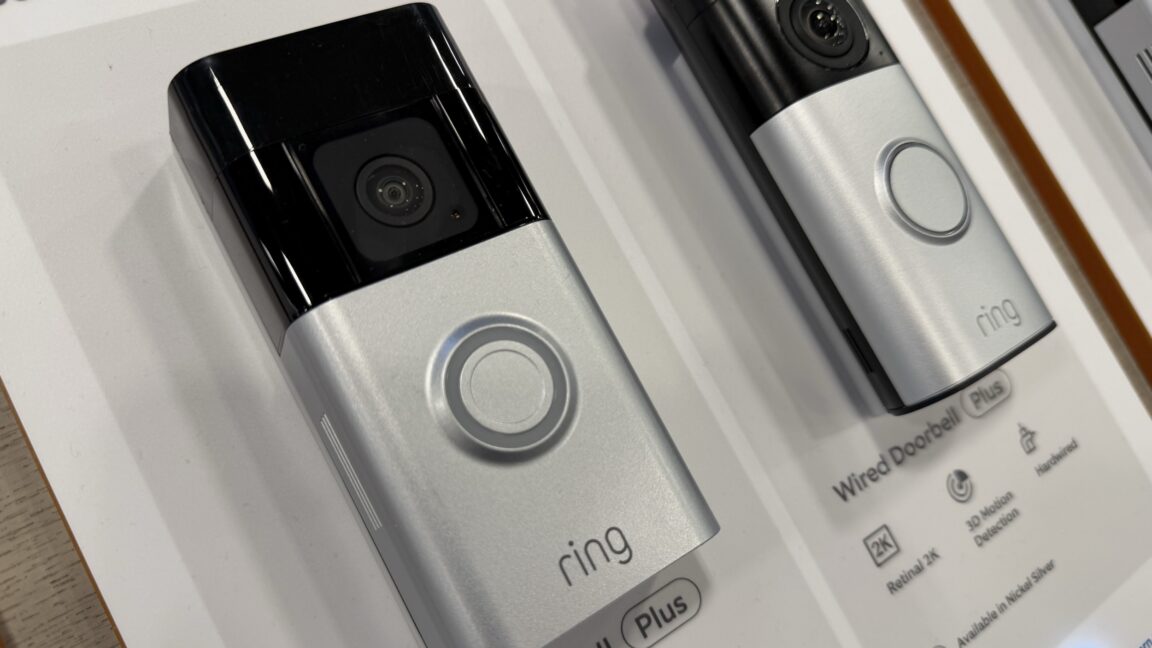
Furthermore, the legal and ethical implications are profound. A recent lawsuit against Amazon-owned Ring alleges that the company's cameras are scanning faces of guests and passersby and using AI to identify them without consent. This highlights a dual threat: AI is being used not just to trick people, but to surveil them on a massive scale. The lawsuit argues that Ring should pay Americans for this unauthorized biometric scanning, signaling a growing legal pushback against the unchecked deployment of facial recognition.
The Stanford Paradox: Competence vs. Caution
Amidst the chaos, a study from Stanford Law School offers a sobering perspective on the capabilities of AI. The study found that AI outperformed law professors in certain legal reasoning tasks. While this confirms the immense potential of AI to augment human intelligence, it also underscores the danger of over-reliance.
If AI can outperform experts in law, it can certainly outperform the average person in deception. The Stanford findings suggest that we are entering an era where the "human in the loop" is no longer the guarantor of accuracy or truth. This makes the deepfake scams even more dangerous; the technology is becoming indistinguishable from reality, even to trained professionals.
The implication for the legal and corporate sectors is massive. If a law firm relies on AI for due diligence, or a bank uses it for fraud detection, the stakes are higher than ever. The line between a helpful tool and a deceptive agent is blurring, requiring a new framework for verification and accountability.
The Path Forward: A Balanced Approach
The convergence of these issues—infrastructure delays, budget overruns, and security threats—demands a fundamental shift in how we approach AI development. We cannot simply build faster; we must build smarter and safer.
1. Infrastructure Investment: Governments and private sectors must prioritize the modernization of the power grid and the permitting process for data centers. Without this, the AI economy will stall.
2. Fiscal Discipline: Companies like Uber show that AI spending must be treated as a critical business expense, not an experimental toy. Rigorous cost-benefit analysis is now mandatory.
3. Defensive Innovation: The arms race is not just about better models; it's about better detection. Google's deepfake detection is a start, but we need industry-wide standards for verifying digital identity.
4. Regulatory Clarity: The Ring lawsuit suggests that the era of "move fast and break things" is over. We need clear legal frameworks for biometric data and AI-generated content.
Conclusion
The AI revolution is not ending; it is maturing. The initial phase of hype is giving way to a period of consolidation and correction. The bottlenecks in data center construction, the fiscal wake-up calls at companies like Uber, and the escalating threat of deepfake scams are not signs of failure, but rather the growing pains of a technology that is finally reaching its full potential.
The challenge for 2026 and beyond is to navigate these complexities without losing the momentum of innovation. We must balance the drive for efficiency with the need for security and sustainability. As the Stanford study reminds us, AI is incredibly powerful, but its power is only as good as the guardrails we build around it. The future of AI depends not just on how smart our models are, but on how wisely we deploy them.
Sources
- America's Data Center Build-Out Is Falling Way Behind Schedule
- AI outperforms law professors in Stanford Law study
- Amazon-owned Ring should pay Americans for scanning their faces, lawsuit says
- Uber caps employee AI spending after blowing through budget in 4 months
- Android phones will soon be able to detect spoofed calls and impersonation scams
- Google rolls out fake call detection to protect against AI deepfake impersonation scams