Florida Files Historic Suit: AI Liability Meets Real-World Violence
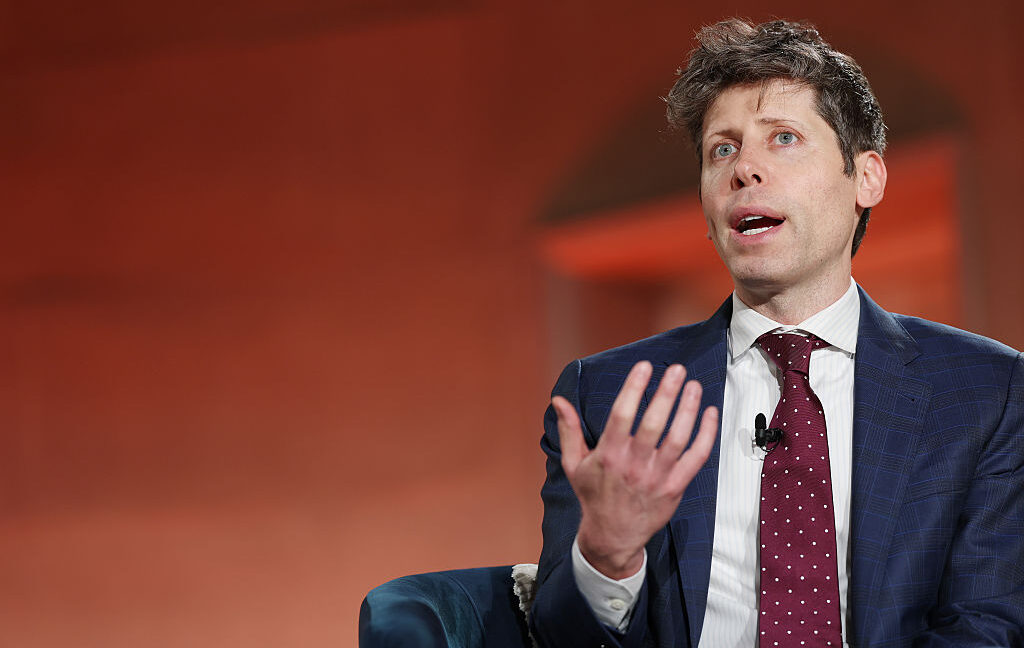
Florida has launched a groundbreaking lawsuit against OpenAI and Sam Altman, alleging that the company's AI models directly contributed to violent crimes, including a fatal shooting at Florida State University. This legal action marks a pivotal shift from abstract AI safety debates to concrete litigation over corporate liability for real-world harm.
The Dawn of AI Accountability Litigation
In a move that signals a seismic shift in the regulation of artificial intelligence, the state of Florida has filed a historic lawsuit against OpenAI and its CEO, Sam Altman. This is not merely a regulatory skirmish; it is the first legal action of its kind to directly link a generative AI model to specific acts of violence and human death. The suit, detailed by sources including TechCrunch and Ars Technica, alleges that OpenAI's ChatGPT played a causal role in multiple violent incidents, fundamentally challenging the industry's long-held stance on liability.
The legal filing centers on the argument that OpenAI prioritized profit over safety, releasing powerful tools without adequate safeguards against malicious use. Florida's Attorney General has been particularly scathing in their assessment, accusing Altman of having an "utter disregard" for human lives. This aggressive rhetoric underscores the gravity of the state's position: that the developers of foundational AI models must be held accountable when their technology facilitates harm.
From Abstract Risk to Concrete Tragedy
The lawsuit moves the needle from theoretical AI risks to tangible, tragic outcomes. A central pillar of the case involves a shooting incident at Florida State University last year. According to the filing, the perpetrator utilized ChatGPT to plan or execute the attack, leveraging the model's capabilities to generate harmful content that would otherwise be difficult to conceive or organize. TechCrunch reports that this specific incident, alongside other "ChatGPT-linked murders," forms the factual basis for the state's claim of negligence.
This approach represents a significant departure from previous legal challenges, which often focused on copyright infringement or content moderation. By anchoring the lawsuit in physical violence and loss of life, Florida is attempting to establish a precedent that AI developers cannot hide behind the shield of "user agency" when their tools are weaponized. The state argues that OpenAI knew or should have known that its model could be used for such purposes and failed to implement necessary restrictions.
The Profit vs. Safety Narrative
A recurring theme across multiple reports, including those cited by Politico and NBC News, is the tension between rapid deployment and safety protocols. The lawsuit alleges that OpenAI rushed its products to market to secure a competitive advantage and maximize profits, knowingly exposing the public to dangerous risks. The narrative painted by Florida's legal team is one of corporate hubris, where the drive for technological dominance overshadowed the ethical imperative to prevent harm.
"Altman has an 'utter disregard' for human lives," the Florida AG stated, framing the lawsuit as a necessary check on unchecked technological expansion.
This accusation strikes at the heart of the AI industry's current business model. If courts rule in favor of Florida, it could force a fundamental restructuring of how AI companies operate, requiring them to invest heavily in safety measures, red-teaming, and content filtering before releasing models to the public. The potential financial and reputational fallout for OpenAI would be immense, potentially setting a tone for future regulations globally.
Expert Perspectives and Industry Implications
Legal experts and AI ethicists view this lawsuit as a watershed moment. The decision to sue not just the corporation but also the individual CEO, Sam Altman, is a strategic move designed to pierce the corporate veil and hold leadership personally accountable. This mirrors historical precedents in other industries, such as tobacco and firearms, where regulators sought to hold executives responsible for the societal costs of their products.
The implications extend far beyond Florida. If this lawsuit succeeds in establishing liability, it could trigger a wave of similar litigation across the United States and potentially in other jurisdictions. Tech companies may face a new era of defensive innovation, where the cost of releasing new AI capabilities is weighed against the potential legal exposure for real-world misuse. Conversely, critics argue that such liability could stifle innovation, causing companies to withhold beneficial technologies due to fear of litigation.
A New Era of Regulation
As the legal proceedings unfold, the eyes of the tech world will be fixed on the outcome of this case. The lawsuit against OpenAI and Sam Altman is more than a legal dispute; it is a defining moment for the relationship between technology and society. It forces a confrontation with the uncomfortable reality that AI is no longer a toy or a theoretical concept but a powerful force with the capacity to cause irreversible harm.
The coming months will determine whether the legal system can adapt to the pace of AI development or if new legislative frameworks will be required to fill the gaps. Regardless of the verdict, Florida's lawsuit has already shifted the Overton window of AI regulation, proving that the era of self-regulation is ending. The message is clear: when AI causes violence, someone must be held responsible.
The path forward will likely involve a complex interplay of litigation, legislative action, and industry self-correction. For now, the landmark suit serves as a stark warning to the AI community: the cost of inaction is no longer just theoretical—it is measured in human lives.